
Description
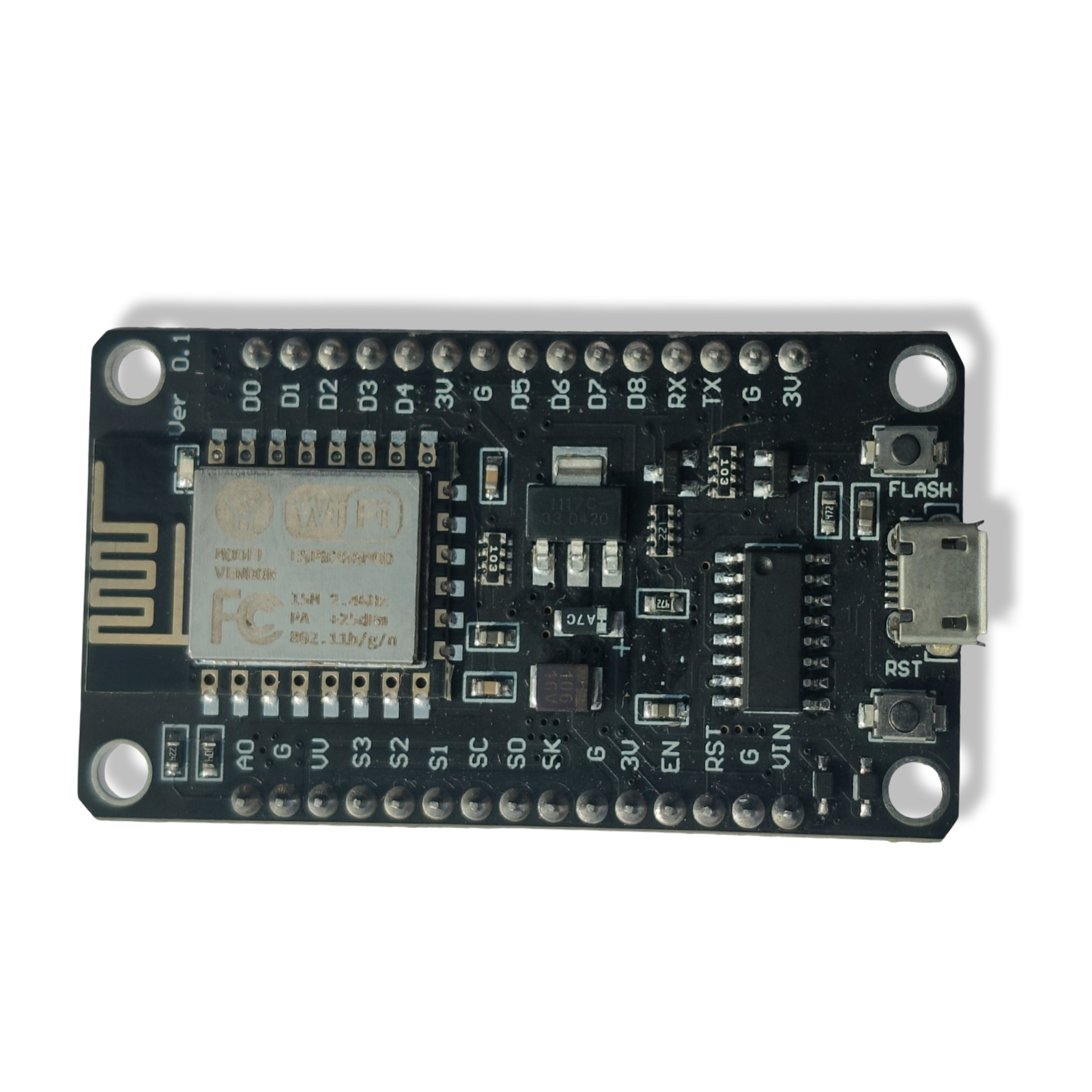
NodeMCU V3 (Lolin) ESP8266 – WiFi IoT Development Board
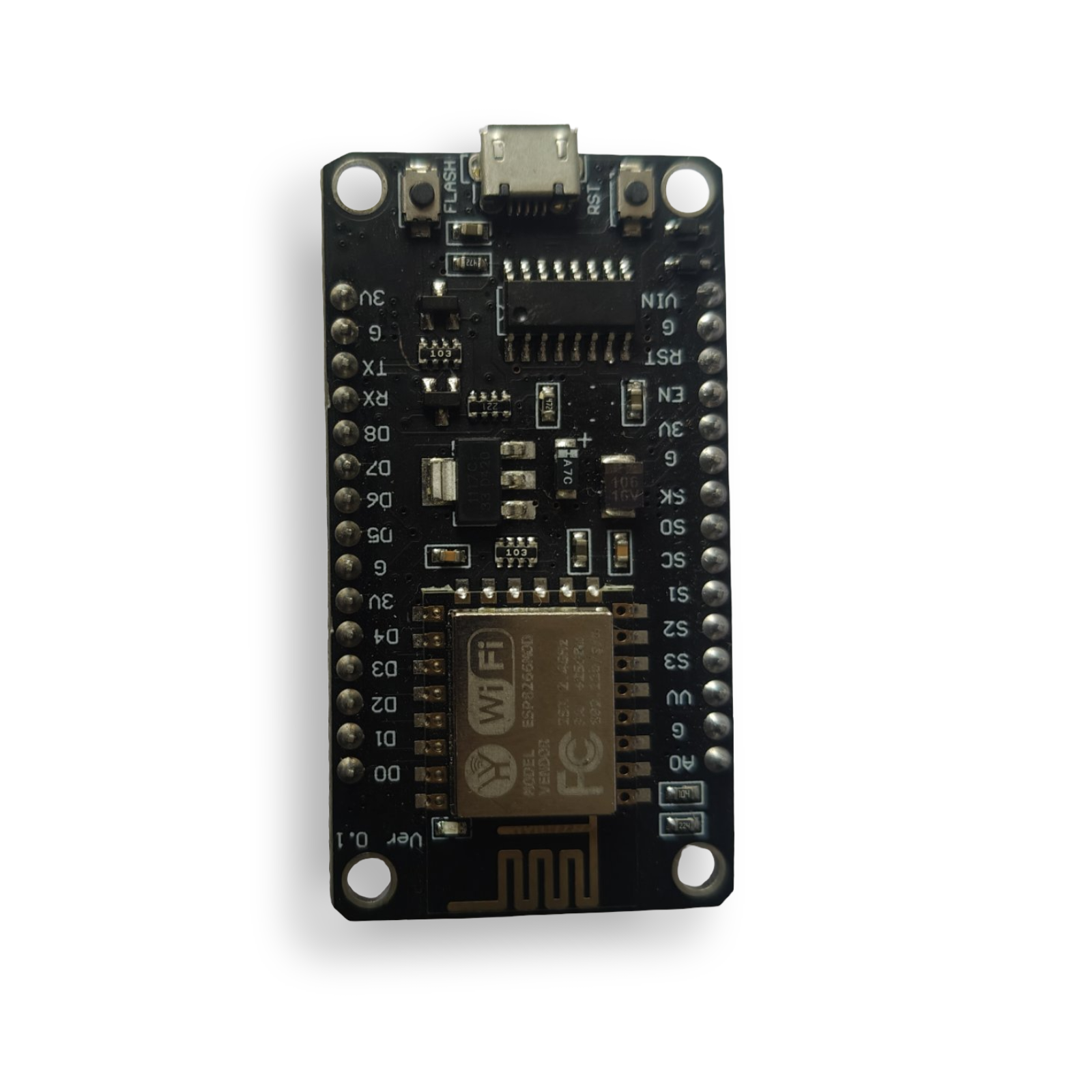
Unlock the world of the Internet of Things (IoT) with the NodeMCU V3 (Lolin). Based on the powerful ESP8266-12E WiFi module, this development board is the go-to choice for makers, engineers, and students building smart home devices. Unlike standard Arduino boards, the NodeMCU has integrated WiFi, allowing you to control your projects from anywhere in the world
Why Choose the NodeMCU V3 Lolin?
The V3 “Lolin” version is an improvement over previous generations, offering a robust USB interface and a breadboard-friendly design (uses full width). It comes pre-flashed with Lua firmware but is most popularly used with the Arduino IDE.
- All-in-One IoT Solution: Integrates GPIO, PWM, IIC, 1-Wire, and ADC all in one board.
- WiFi Ready: Built-in 802.11 b/g/n WiFi transceiver (Antenna included on PCB).
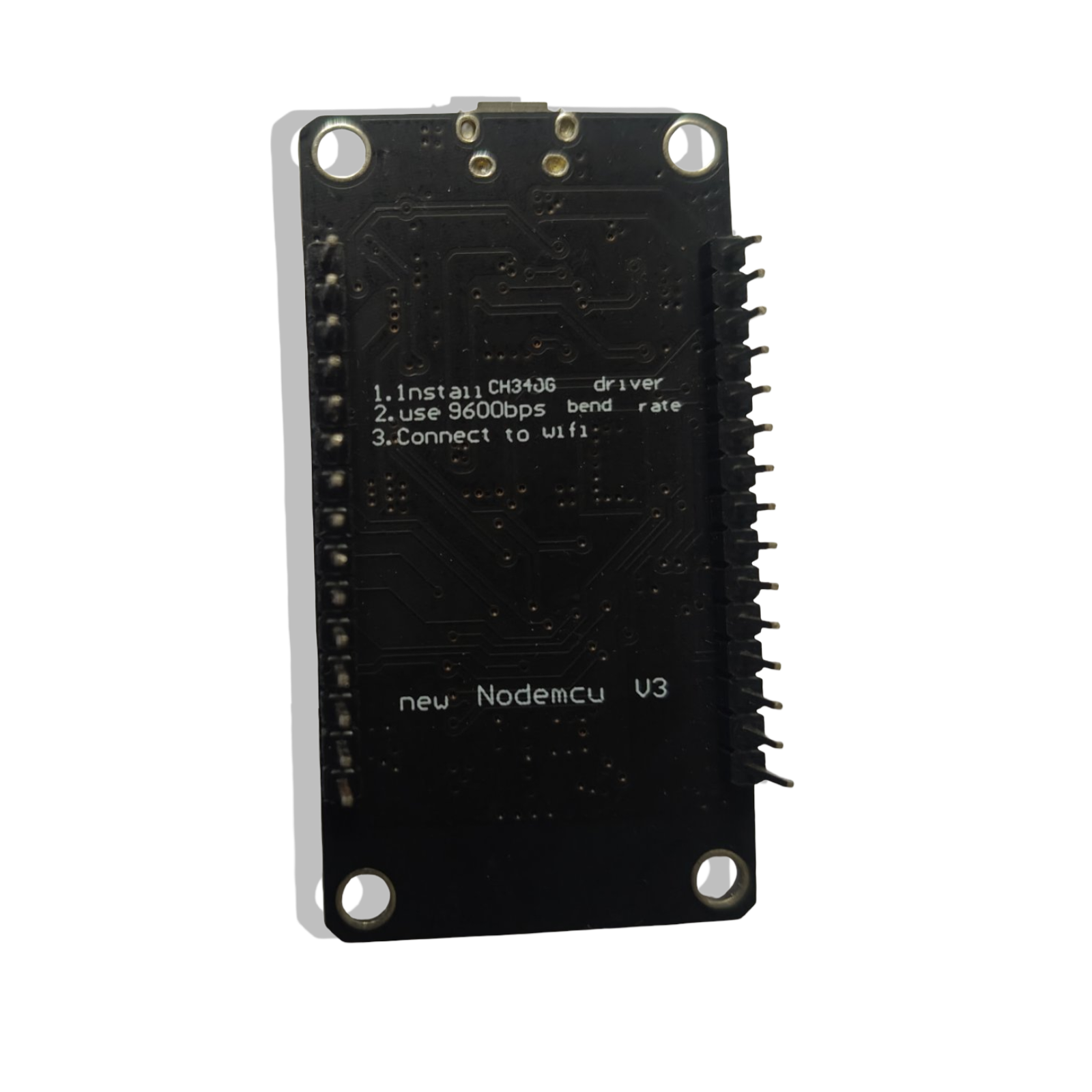
- Plug & Play USB: Features the stable CH340G USB-to-UART chip for instant driver recognition on Windows 10/11 and Mac.
- High Performance: 32-bit Tensilica processor running at 80MHz (up to 160MHz) with 4MB Flash Memory.
- Arduino Compatible: Write code using the familiar Arduino IDE environment (C++).
Technical Specifications
| Model | NodeMCU V3 (Lolin) |
| Microcontroller | ESP-8266 (ESP-12E Module) |
| USB Chip | CH340G / CH340 |
| Operating Voltage | 3.3V (Logic Level) |
| Input Voltage | 4.5V – 9V (via Micro USB or VIN) |
| Flash Memory | 4 MB |
| Digital I/O Pins | 11 (Supports Interrupts, PWM, I2C) |
| Analog Input | 1 (ADC0 – Max 3.3V) |
What Can You Build? (Project Ideas)
The NodeMCU V3 is perfect for beginners and pros alike. Common projects include:
- WiFi Weather Station: Read DHT11/DHT22 sensor data and display it on a web dashboard.
- Smart Home Switch: Control lights or relays via Alexa or Google Home using standard libraries.
- Web Server: Host a simple HTML website directly on the ESP8266 chip.
- Wireless Data Logger: Send data to Google Sheets or MQTT brokers.
Frequently Asked Questions (FAQ)
Q: How do I power the NodeMCU V3?
A: You can power it simply via the Micro-USB cable connected to a computer or phone charger. Alternatively, you can supply 5V-9V to the ‘VIN’ pin.
Q: Do I need a specific driver for this board?
A: Yes, this V3 board uses the CH340 driver You can download the CH340 driver for free for Windows or Mac to ensure your computer recognizes the COM port.
How to Install CH340 Drivers for NodeMCU, ESP32, and Arduino
Q: Is this board 5V compatible?
A: The ESP8266 logic level is 3.3V. While some users report 5V tolerance on data pins, it is highly recommended to use a logic level converter when connecting 5V sensors to avoid damaging the board.

Reviews
There are no reviews yet.